New to Homeschooling? Here’s Everything You Need to Know to Get Started
*Disclaimer: Some of the links in this post are affiliate links, which means I may earn a small commission if you make a purchase – at no extra cost to you. Thank you for supporting my blog.
📚 Puzzle Books (Amazon)
✏️ Kids’ Washable Art Supplies Set (Amazon)
🧩 STEM Building Kit (Amazon)
🎨 Craft Supplies Organizer Box (Amazon)
🎲 Family Game Night Favorite (Amazon)
🗂️ Homeschool Planner (My Shop)
🧠 LCD Writing Tablet (Amazon)
🪄 Quiet-Time Activity Book (Amazon)
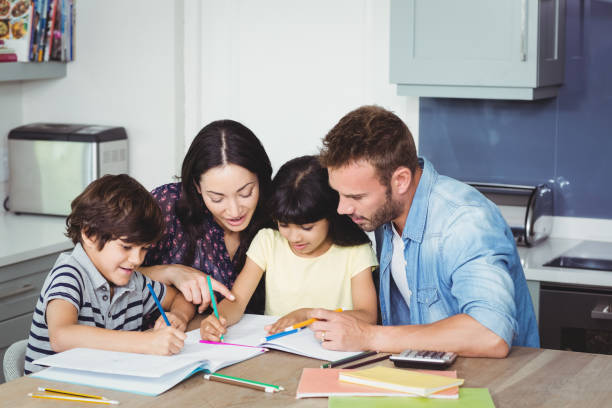
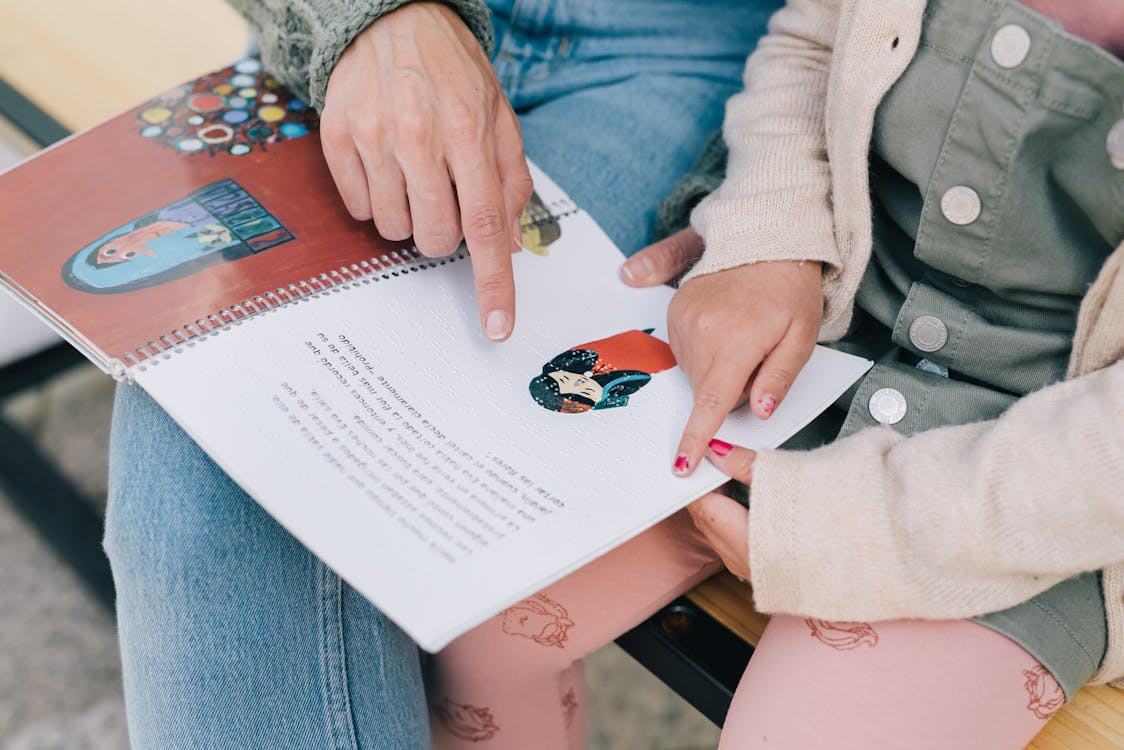
Whether you’re pulling your child out of school or just exploring homeschooling for the first time, you’re in the right place.
Whether you’re pulling your child out of school or just exploring homeschooling for the first time, you’re in the right place.
When I first started homeschooling, I was equal parts excited and overwhelmed. That’s exactly why I created the Ultimate Homeschool Starter Kit—a complete step-by-step guide, packed with must-haves, tools, and printables to get you started with confidence. If you’re looking for an all-in-one resource to make your journey smoother, grab the kit now and skip the guesswork.
When I first started homeschooling, I was equal parts excited and overwhelmed. I had a deep desire to give my children a meaningful education tailored to their needs—but I also had no idea where to begin. If you’re new to homeschooling and feeling a little unsure, I want you to know that you’re not alone. This post will walk you through everything I wish I had known when I was just getting started—from understanding what homeschooling really is, to choosing a method, navigating legal steps, and avoiding early burnout.
In this post, I’ve included not only the steps I took, but also a list of must-haves homeschool tools, helpful printables, and related blog posts so you can get started with confidence.
Getting Started Checklist: A Quick Overview
Here’s a quick-start checklist to help you get your homeschool off the ground:
1. Understand your local homeschool laws (check them here)
2 Choose a homeschool style that fits your family
3. Pick your curriculum (free or paid)
4. Set up a simple learning space at home
5. Gather essential supplies and tools
6. Plan a gentle weekly rhythm to start
7. Keep records or logs if required
8. Download free printables or planners to stay organized
9. Find community or support
10. Give yourself grace and time to adjust!
What Homeschooling Is and Isn’t
Let’s start with a quick reality check. Homeschooling is not just about sitting at the kitchen table doing workbooks from 8 a.m. to 3 p.m. every day. It’s not about recreating public school at home. One of the biggest blessings of homeschooling is that it gives your family freedom—freedom to learn at your own pace, freedom to explore interests, and freedom to prioritize what matters most to you.
What homeschooling is:
-
A customizable learning experience tailored to your child’s needs
-
A flexible and family-centered lifestyle
-
A chance to integrate learning with real-life experiences
-
An opportunity to nurture a love for lifelong learning
What homeschooling isn’t:
-
A one-size-fits-all system
-
Always structured like traditional school
-
A guarantee that every day will be Pinterest-perfect
-
A sign that you’re “anti-school”—it’s just a different choice
Understanding this difference right from the start helped me feel less pressure to make our homeschool days look a certain way. It gave me permission to lean into what worked for our family.
How to Choose Your Homeschooling Style or Method
Once you know what homeschooling can be, the next step is choosing the method or style that feels right for your family. There’s no need to commit to one method forever—you can blend styles or shift as your child grows. But exploring your options will help you feel more confident.
Here are a few popular homeschooling styles to consider:
-
Traditional: Think textbooks, workbooks, and structured lessons. Great if your child thrives on routine.
-
Charlotte Mason: A literature-rich approach focused on “living books,” nature study, narration, and short, intentional lessons.
-
Classical: Based on the trivium (grammar, logic, rhetoric). Heavy on memory work, critical thinking, and great books.
-
Unschooling: A child-led approach focused on interest-based learning and real-life experiences.
-
Unit Studies: Learning centered around a theme or topic, combining subjects like science, history, and language arts.
-
Eclectic: A mix-and-match method using pieces of different styles that work best for your family.
Personally, I started with a more traditional route because it felt familiar—but as we settled in, I found myself gravitating toward a blend of Charlotte Mason and unit studies. The beauty of homeschooling is that you don’t have to fit into one box. You get to build something that works for you.
Know the Laws: Taking the Legal Steps
One of the most important (and often overlooked) parts of starting homeschooling is making sure you’re legally compliant. Homeschooling laws vary depending on your location—especially if you’re in the United States, where each state has its own rules—for instance, in California you only need to file a ‘letter of intent,’ while in New York some counties require oversight. Check your state’s site for exact details.
Here’s what to do:
-
Check your state or country’s homeschool laws.
A good place to start is HSLDA.org—the Home School Legal Defense Association. They have detailed breakdowns by state and offer resources to help you stay compliant. -
File any required paperwork.
This might include submitting a notice of intent, creating an educational plan, or formally withdrawing your child from public school. -
Keep records (if required).
Some states require attendance logs, portfolios, or yearly evaluations. Even if it’s not required, keeping a simple record of what you’ve done can be helpful for your peace of mind. -
Know your rights.
Understanding your rights as a homeschooler can prevent unnecessary stress or confusion down the road.
Taking these legal steps early will help you start your homeschool journey with clarity and confidence.
How to Withdraw Your Child from Public School (Without the Stress)
When I began homeschooling, I had to pull my son out of public school — and it was honestly the most confusing part of the process. I had a hard time finding clear answers, and I wasn’t sure what was legally required of me. If you’re in the same boat, here’s exactly what I wish someone had told me:
1. Check Your State’s Rules First
Before withdrawing your child, make sure you understand your state’s homeschool laws. Some states require you to file a Notice of Intent to Homeschool before your child is officially withdrawn from school.
You can find accurate, up-to-date legal requirements for your state at HSLDA.org.
2. Write a Formal Withdrawal Letter
In most states, you’ll need to send a simple letter to your child’s school to officially withdraw them. This isn’t asking for permission — you’re notifying them of your intent to homeschool.
Here’s what to include:
-
Your child’s full name and grade
-
The school they are currently attending
-
The statement that you are withdrawing them to homeschool under your state’s laws
-
The date the withdrawal is effective
Example:
“I am writing to inform you that I am withdrawing my child, [Child’s Full Name], from [School Name] effective [Date]. We will be homeschooling in accordance with the laws of [Your State].”
Always keep a copy of this letter for your records.
3. Send It to the Right Place
Some districts ask you to send the letter to:
-
The school principal
-
The district office
-
Or both
You can call your district office and politely ask where to send a homeschool withdrawal letter. Don’t feel pressured to explain your reasons — you are simply following a legal process.
4. Watch Out for Truancy Rules
If your child is still enrolled but not attending school, and you haven’t officially withdrawn them, it could trigger truancy concerns. That’s why sending the letter before or right as you begin homeschooling is so important.
My Tip:
This step might feel scary — but once it’s done, you’ll feel so much more free to begin your homeschool journey on your terms. If possible, submit everything in writing and ask for written confirmation that your child has been withdrawn.
You’ve now taken one of the biggest first steps. Deep breath — you’ve got this!
Homeschool Must-Haves (Tools & Supplies I Recommend)
When I first started, I wasn’t sure what I actually needed—and I definitely overbought! Here are the items we actually used and loved during our first year:
- A good pencil sharpener
- Whiteboard + markers
- Binders with dividers and page protectors
- A simple bookshelf or bins for organizing
- Timer (we use it for focused learning blocks)
- Printable Ultimate Homeschool Success Planner (like the one I created here!)
👉 Want to skip the guesswork? Visit my Cleverly Kindred Shop to grab planner pages, curriculum trackers, morning basket templates, and more!
Tips to Avoid Burnout Early On
If I could give one piece of advice to every new homeschool parent, it’s this: You don’t have to do everything at once. Burnout is real, especially in the first year when everything feels new.
Here are a few tips that helped me avoid (and recover from) early burnout:
1. Start slow.
Don’t feel like you need to teach every subject right out of the gate. Ease into your routine. Focus on the core subjects first—like reading, math, and writing—and let the rest build naturally.
2. Set realistic expectations.
Not every day will go smoothly. There will be tough days, messy days, and “let’s just take a walk” days. That’s normal. Give yourself and your child grace.
3. Create a rhythm, not a rigid schedule
Structure is helpful, but try to stay flexible. A rhythm (like “morning basket, math, outdoor time, quiet reading”) gives flow without the pressure of the clock.
4. Find support.
You don’t have to do this alone. Join local co-ops, attend homeschool meetups, or connect with others online. Having a community—even a virtual one—can make a huge difference.
5. Make time for yourself.
Homeschooling doesn’t mean you stop being you. Schedule time for your own hobbies, quiet moments, or even just a solo grocery trip with a coffee in hand.
Helpful Printables to Get You Started
These printables are perfect for new homeschoolers looking for structure, guidance, and a little inspiration:
- Ultimate Homeschool Starter Kit
- Homeschool Daily Schedule
- Ultimate Homeschool Success Planner
- Printable Morning Routine Chart
- Cursive Writing Essential Bundle
You can find these in my Cleverly Kindred Shop, available as instant downloads!
Final Thoughts: You Can Do This
Homeschooling isn’t about being the perfect teacher—it’s about building a relationship with your child through learning. It’s about showing up, learning alongside them, and making space for curiosity and creativity.
If you’re feeling nervous, that’s completely normal. I felt the same way. But I promise you—once you take those first steps, it gets easier. You will find your groove. You will see your child learn and grow. And you’ll probably grow right alongside them.
You’ve got this!
Start Here, Save Time:
Ready to homeschool with confidence?
Don’t waste hours piecing everything together. The Ultimate Homeschool Starter Kit includes everything you need—from legal steps and curriculum planning to daily routines and printable tools. It’s designed for busy parents who want clarity and results.
👉 Grab the Starter Kit now and take the stress out of starting your homeschool journey!
Ready to begin? Download your Free Homeschool Starter Kit Checklist, explore more tips, or browse my shop for time-saving printables.
👉 Visit the Cleverly Kindred Shop
Have questions or feeling unsure about where to begin? You’re not alone — and you don’t have to figure it all out by yourself. This blog is a supportive space where homeschoolers (new and experienced) can learn together, share ideas, and lift each other up.
I’d love to hear from you — whether you want to share how your first steps are going, ask a question, or just say hello. Feel free to leave a comment below or explore more of my posts for guidance, encouragement, and practical tips.
💛 You’ve found a place where your homeschooling journey is understood — and supported. Welcome to the community.
📚 Explore More Helpful Amazon Finds
👉 Best Educational Books for Kids (Amazon)
👉 Top Learning Toys for Kids (Amazon)
👉 Learning Toys for Kids Ages 12+ (Amazon)
👉 Homeschool Supplies for Every Grade (Amazon)
👉 Preschool Learning Tools & Activities (Amazon)
👉 Hands-On STEM Kits & Projects (Amazon)
👉 Arts & Crafts Supplies for Kids (Amazon)
👉 Kids’ Activity Books & Workbooks (Amazon)
👉 Mom Organization Tools & Planners (Amazon)
👉 Family Games & Fun Activities (Amazon)
👉 Self-Care + Motivation Favorites for Moms (Amazon)
Related Posts You Might Enjoy:
-
The Ultimate Homeschool Starter Kit: Everything You Need in One Place
-
New to Homeschooling? Here’s Everything You Need to Know to Get Started
-
Homeschooling a 12-Year-Old: What I’ve Learned(and What I’d Do Differently)
-
Homeschooling on a Budget: How to Teach Your Kids for Less Than $200 a Year
-
Top 5 Educational YouTube Channels for Kids You Need to Know About
You May Also Like
10 Things I Wish I Knew Before Starting Homeschooling
Dear New Homeschool Mom: You’ve Got This