Homeschooling Without a Room: How to Stay Organized in Small Spaces
*Disclaimer: Some of the links in this post are affiliate links, which means I may earn a small commission if you make a purchase – at no extra cost to you. Thank you for supporting my blog.
📚 Puzzle Books (Amazon)
✏️ Kids’ Washable Art Supplies Set (Amazon)
🧩 STEM Building Kit (Amazon)
🎨 Craft Supplies Organizer Box (Amazon)
🎲 Family Game Night Favorite (Amazon)
🗂️ Homeschool Planner (My Shop)
🧠 LCD Writing Tablet (Amazon)
🪄 Quiet-Time Activity Book (Amazon)
When I first started homeschooling, I dreamed of a bright, Pinterest-worthy homeschool room. You know the kind—alphabet posters on the walls, a cozy reading nook, a shelf full of curriculum and manipulatives, and a giant whiteboard to anchor it all. But reality looked a little different.
Like many homeschool families, we simply don’t have the space for a dedicated homeschool room. We live in a small home where every corner is already being used. At first, I worried this would be a problem. Would we be able to stay organized? Would our learning be chaotic? Spoiler alert: it wasn’t a problem at all. In fact, homeschooling without a room has taught us flexibility, intentionality, and creativity—skills that are just as valuable as math and reading.
If you’re in the same boat—homeschooling from your kitchen table, living room, or even a hallway nook—this post is for you. I’m sharing everything I’ve learned about staying organized while homeschooling in a small space, and how to make it not only work, but thrive.
1. Embrace the Homeschool Lifestyle (Not the Setup)
One of the first mindset shifts I had to make was understanding that homeschooling is a lifestyle—not a room. Learning happens all over our home: during breakfast, outside on the patio, on the couch, or sprawled on the floor with markers.
Once I let go of the idea that we needed a “classroom,” I started noticing how natural and effective it was to weave learning into our daily life. Homeschooling in small spaces doesn’t mean you’re missing out—it just means you’re doing it your own way.
2. Create a Portable Homeschool Station
This was a game-changer for us! Instead of trying to make space where there was none, I created a portable homeschool cart using a simple three-tier rolling cart. It holds our daily curriculum, notebooks, pencils, scissors, glue sticks, and anything else we use frequently.
I roll it out in the morning to wherever we’re working (usually the kitchen table), and roll it back into a closet or corner when we’re done. It keeps everything in one place and prevents that end-of-day mess that can feel overwhelming.
Other portable options:
-
A large tote bag for each child
-
A file box with hanging folders
-
A plastic drawer cart with labels for each subject
Whatever fits your space, the goal is to have a system that’s easy to put away and pull out.
3. Use Vertical Space
When floor space is tight, look up! We installed a few floating shelves above our dining table to store books and supplies. Even command hooks and hanging wall pockets can be used for flashcards, headphones, or clipboards.
If you can mount a small dry erase board or chalkboard, even better! We use ours to write our daily schedule, weekly goals, or to practice spelling words.
Wall storage ideas:
-
Hanging magazine racks for workbooks
-
Pegboards with hooks and buckets
-
Adhesive wall file holders for each child
Using vertical space helps you stay organized without taking up any of your already limited living area.
4. Establish Zones (Even in Shared Spaces)
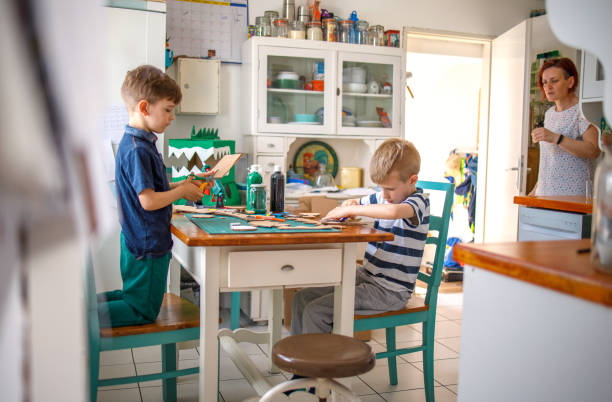
While we don’t have a separate homeschool room, we’ve created “zones” in our home. The kitchen table is for lessons and seatwork, the couch is our read-aloud spot, and the backyard is our nature and science area.
By associating certain activities with specific spots, it helps create routine and structure. Even if the zones are temporary, having these mental boundaries makes our day feel more grounded.
Tip: Use placemats or trays at the kitchen table to define each child’s work area. It helps avoid clutter and keeps materials contained.
5. Declutter Often
In small spaces, clutter builds up FAST. I make it a habit to declutter our homeschool materials every month. If something isn’t being used, it gets stored, donated, or tossed. I also keep seasonal or less-frequent items (like art supplies or science kits) in labeled bins in the closet so they’re not in our way.
Ask yourself:
-
Have we used this in the last 30 days?
-
Will we realistically use this again soon?
-
Is there a digital version that saves space?
Being selective about what stays out keeps your space peaceful and usable.
6. Go Digital When Possible
One easy way to save space is by embracing digital resources. We use a tablet or laptop for certain subjects like typing, science videos, or interactive math practice. I also keep a digital copy of some curriculum guides instead of printing everything.
Some of our favorite digital resources:
-
Khan Academy
-
Epic! Books
-
Prodigy Math
-
YouTube learning channels
-
Free printables I organize by topic on my computer
Going digital for part of your homeschool routine reduces the need for binders, printouts, and bulky storage.
7. Make Cleanup Part of the Routine
When you’re homeschooling in a space that doubles as your dining room or living room, cleanup is crucial. I’ve made it part of our daily rhythm—school isn’t done until everything is put away.
Everyone pitches in, and it usually takes just 5–10 minutes. The kids know exactly where their materials go, and it helps me feel like I have my house back each afternoon.
We also do a quick tidy-up at the end of the week: papers filed or tossed, pencils sharpened, supplies replenished. It helps Monday start off fresh and organized.
8. Be Flexible and Give Yourself Grace
Some days, the kitchen table will be covered in breakfast dishes. Sometimes your toddler will dump out a bin of manipulatives right in the middle of math. That’s life in a small space. The beauty of homeschooling is its flexibility.
Your space doesn’t have to look perfect to be functional.
What matters is that your kids are learning, feeling safe, and enjoying the journey with you. If that means switching locations mid-morning or doing science on the porch—so be it.
Final Thoughts
If you’re homeschooling without a room, I want you to know—you’re not alone. It’s completely possible to stay organized, focused, and joyful even in the smallest spaces. With a few creative solutions and intentional routines, your home can be both a living space and a thriving learning environment.
Small space homeschooling has taught our family so much about working together, staying organized, and letting go of perfection. And most of all, it’s reminded me that homeschooling isn’t about a room. It’s about connection, curiosity, and building something beautiful—together.
If you’re navigating this same journey, I’d love to hear how you’ve adapted! Share your small space homeschool tips or questions in the comments below. Let’s support each other in this cozy, creative way of learning.
📚 Explore More Helpful Amazon Finds
👉 Best Educational Books for Kids (Amazon)
👉 Top Learning Toys for Kids (Amazon)
👉 Learning Toys for Kids Ages 12+ (Amazon)
👉 Homeschool Supplies for Every Grade (Amazon)
👉 Preschool Learning Tools & Activities (Amazon)
👉 Hands-On STEM Kits & Projects (Amazon)
👉 Arts & Crafts Supplies for Kids (Amazon)
👉 Kids’ Activity Books & Workbooks (Amazon)
👉 Mom Organization Tools & Planners (Amazon)
👉 Family Games & Fun Activities (Amazon)
👉 Self-Care + Motivation Favorites for Moms (Amazon)
Related Posts You Might Like:
- How to Create a Productive Homeschool Space
-
New to Homeschooling? Here’s Everything You Need to Know to Get Started
~With love,
Cleverly Kindred ❤️

You May Also Like
Creating a Morning Basket That Calms the Chaos
Homeschool Schedules: Why They Matter Less Than You Think