The Importance of Play-Based Learning for Younger Kids (and How Older Kids Still Benefit Too!)
*Disclaimer: Some of the links in this post are affiliate links, which means I may earn a small commission if you make a purchase – at no extra cost to you. Thank you for supporting my blog.
📚 Puzzle Books (Amazon)
✏️ Kids’ Washable Art Supplies Set (Amazon)
🧩 STEM Building Kit (Amazon)
🎨 Craft Supplies Organizer Box (Amazon)
🎲 Family Game Night Favorite (Amazon)
🗂️ Homeschool Planner (My Shop)
🧠 LCD Writing Tablet (Amazon)
🪄 Quiet-Time Activity Book (Amazon)
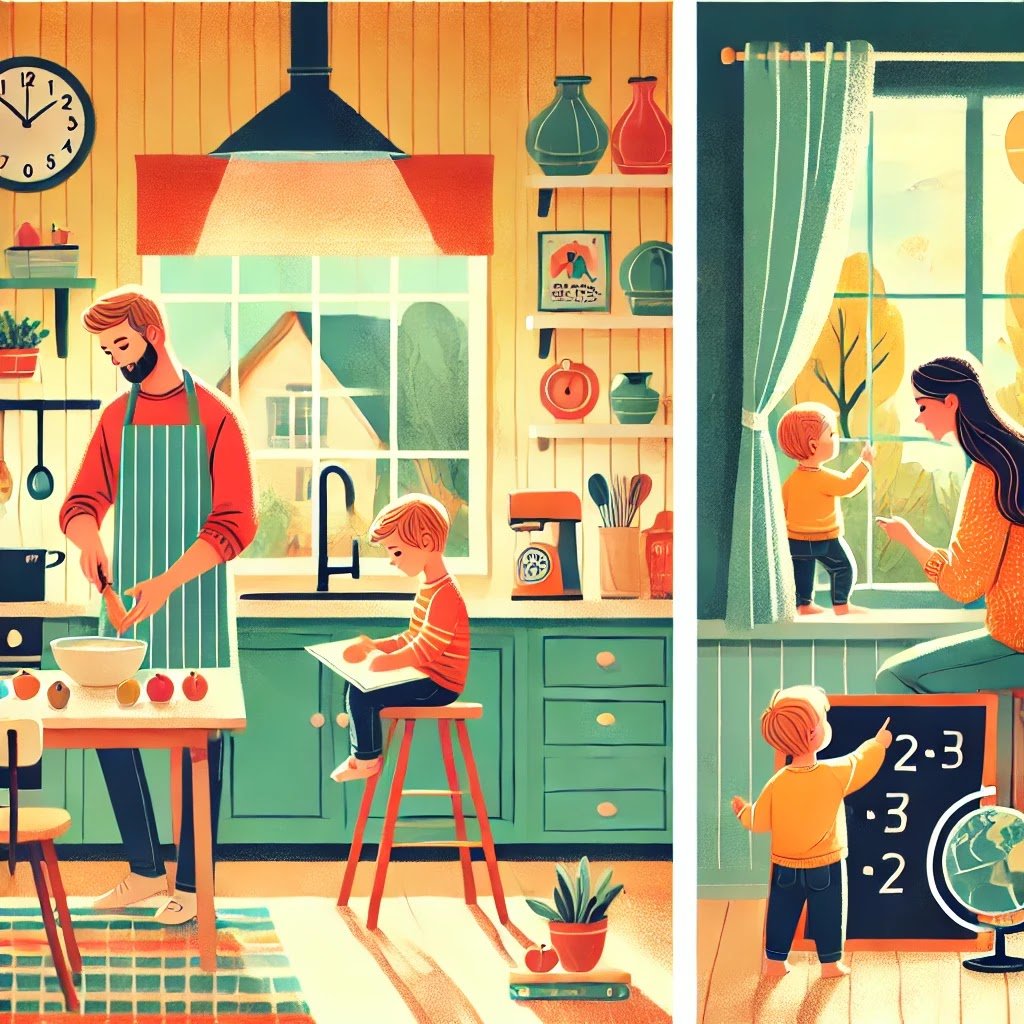
When we think of learning, many of us imagine worksheets, textbooks, and structured lessons — but in our homeschool, we’ve discovered that play is one of the most powerful tools for deep and meaningful learning. Play-based learning isn’t just for toddlers; it sparks creativity, builds confidence, and nurtures curiosity in kids of all ages. In this post, I’ll share why we rely on play-based learning for our younger kids, and how we continue to weave play into the lives of our older children as well.
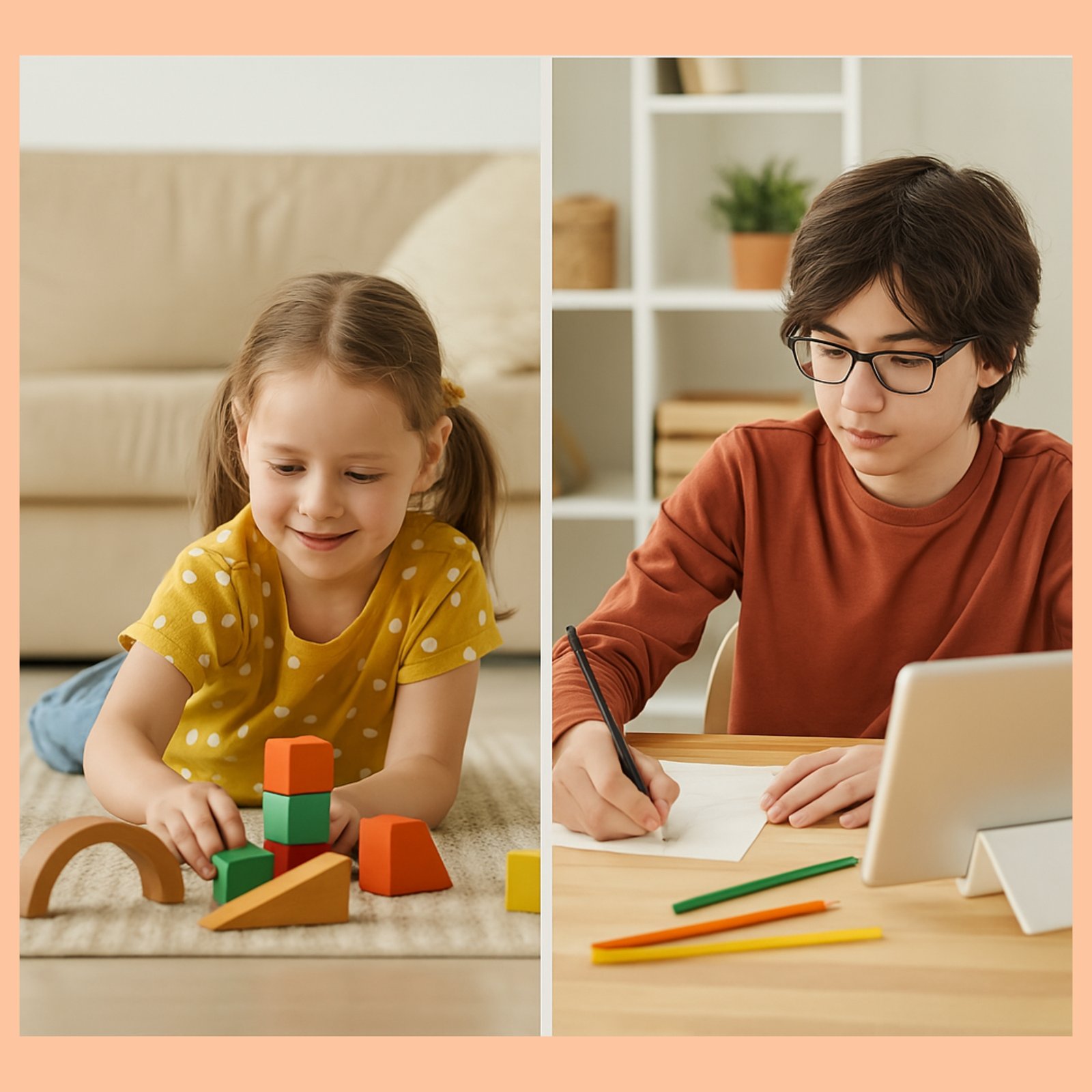
As a homeschooling mom of two—my curious 6-year-old daughter and my thoughtful, imaginative 12-year-old son—I’ve learned that some of the most meaningful learning moments happen when kids are doing what comes naturally to them: playing. This means, play isn’t just about fun (though there’s plenty of that too!). It’s an essential part of how my kids learns. Over the years, I’ve embraced play-based learning because I’ve seen firsthand how it sparks curiosity, builds confidence, and lays the foundation for a lifelong love of learning.
For younger children, the value of play-based learning is widely understood—but I’ve come to see that even my older child thrives when we give him space to explore, create, and learn through experiences that don’t feel like schoolwork.
In our home, play isn’t just for preschoolers. It’s a tool we use across ages to nurture creativity, problem-solving, and joy in learning.
What is Play-Based Learning?
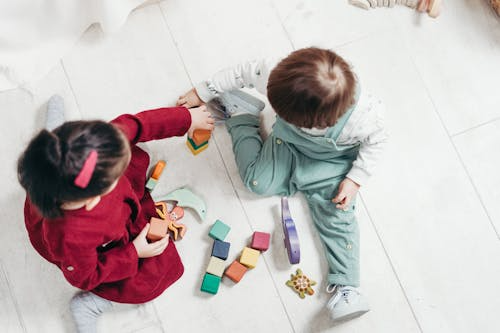
Play-based learning is exactly what it sounds like—learning through play. It is an educational approach that uses play as the primary method for learning. It’s child-led, imaginative, and rooted in exploration. Instead of structured lessons and worksheets, children learn through hands-on activities like building with blocks, playing pretend, crafting, role-playing, exploring nature, and so much more.
This approach allows kids to develop critical skills naturally—without the pressure of memorization or tests.
For my 6-year-old, this might look like building with blocks, pretending to run a bakery, or going on nature scavenger hunts.
But for my 12-year-old, play looks a little different. It might mean creating a YouTube-style video, designing a Lego city with working “infrastructure,” experimenting with stop-motion animation, or writing an original comic book series. The point is—it’s still play. Just more mature, more interest-led, and still just as important.
Why is Play So Important for Young Children?
Here’s why I believe every homeschool (and home in general) should embrace play-based learning, especially in the early years:
1. It Sparks Creativity
When my daughter turns the couch cushions into a castle, or my son builds an entire village in Minecraft based on a book we read, I know real learning is happening. Creativity flourishes when kids aren’t boxed in by rigid expectations.
2. It Builds Emotional Intelligence
Role-playing helps younger kids learn empathy and communication. And for older kids, play—whether through storytelling, games, or collaboration—gives them an outlet to process emotions, solve problems, and navigate real-life situations.
3. It Deepens Learning
Kids naturally ask questions when they’re interested. When my son got into video game design, he ended up learning about coding, storytelling, and digital art—all from following his interests. My daughter, meanwhile, is learning math while setting up her “pretend shop.”
4. It Builds Confidence
Whether it’s building a LEGO masterpiece, running a pretend restaurant, or presenting a homemade science experiment to the family, play helps kids take ownership of their ideas—and feel proud of their accomplishments.
How We Embrace Play in Our Homeschool
Our homeschool rhythm is flexible and filled with hands-on learning opportunities. Here’s a peek into what play-based learning looks like for both of my kids:
For My 6-Year-Old:
- Pretend play setups like grocery stores or pet clinics
- Educational coloring pages, printable scavenger hunts, and crafts
- Sorting and pattern games using beads, buttons, or nature finds
- Storytime followed by open-ended drawing or storytelling
For My 12-Year-Old:
- Building projects with LEGO, Minecraft, or model kits
- Creative writing prompts or designing comics
- Making videos, animations, or even mock podcasts
- Strategy games that teach logic and collaboration
- Interest-led unit studies (like one we did on underwater volcanoes)
What I’ve realized is that play doesn’t disappear as kids grow—it just transforms.
Tips to Incorporate Play-Based Learning Across Ages
- Let their interests lead. If your child is into baking, gaming, fashion design, or animals—follow that trail. You’ll be amazed how much learning happens naturally.
- Use open-ended materials. Blocks, LEGOs, craft supplies, and even cardboard boxes encourage creativity at any age.
- Create together. Sometimes the best moments are when we’re all working on something—like building a model, doing a nature walk, or playing a silly homemade game as a family.
- Incorporate age-appropriate printables. I make and use printable activity packs that work for different age levels. My daughter loves scavenger hunts and coloring pages, while my son enjoys things like coding trackers, reading logs, or even simple budget worksheets tied to his pretend business.
A Gentle Reminder to Parents
Play is not a waste of time. It’s not a break from learning—it is learning.
It helps kids make sense of the world. And it gives us, as parents, a chance to connect, observe, and encourage them in a way that worksheets alone can’t offer.
If you ever feel unsure about whether your child is “doing enough,” take a step back and just watch them play. You might be surprised at all the learning happening right before your eyes.
If this blog post spoke to you, feel free to share it with a fellow homeschooling parent or caregiver. And if you’re looking for simple ways to add more joy to your homeschool days, I’d love to be a part of your journey.
📚 Explore More Helpful Amazon Finds
👉 Best Educational Books for Kids (Amazon)
👉 Top Learning Toys for Kids (Amazon)
👉 Learning Toys for Kids Ages 12+ (Amazon)
👉 Homeschool Supplies for Every Grade (Amazon)
👉 Preschool Learning Tools & Activities (Amazon)
👉 Hands-On STEM Kits & Projects (Amazon)
👉 Arts & Crafts Supplies for Kids (Amazon)
👉 Kids’ Activity Books & Workbooks (Amazon)
👉 Mom Organization Tools & Planners (Amazon)
👉 Self-Care + Motivation Favorites for Moms (Amazon)
Related Posts You Might Like:
- Back to (Home)School: How to Kick Off the Year with Confidence
- New to Homeschooling? Here’s Everything You Need to Know to Get Started
- 15 Must-Have Homeschool Supplies That Make Life Easier
Thank you for reading my blog! Stay tuned for more tips, resources, and printable materials to help make your homeschooling experience enjoyable and effective. Check out my store for a variety of educational products and printables to assist you on your homeschooling journey.

You May Also Like
10 DIY Craft Kits Perfect for Rainy Days
Why Play-Based Learning Is the Heart of Our Homeschooling for Ages 4–7