Why SEL is Crucial in Homeschooling
*Disclaimer: Some of the links in this post are affiliate links, which means I may earn a small commission if you make a purchase – at no extra cost to you. Thank you for supporting my blog.
🌟 What We’re Loving So Far (Amazon Favorites+)
Here are a few things my kids and I use all the time that make homeschooling + everyday life easier and more fun:
📚 Puzzle Books (Amazon)
✏️ Kids’ Washable Art Supplies Set (Amazon)
🧩 STEM Building Kit (Amazon)
🎨 Craft Supplies Organizer Box (Amazon)
🎲 Family Game Night Favorite (Amazon)
🗂️ Homeschool Planner (My Shop)
🧠 LCD Writing Tablet (Amazon)
🪄 Quiet-Time Activity Book (Amazon)
When I first started homeschooling, I poured all my energy into the academics—math curriculum, reading schedules, science experiments, and making sure we were “on track.” But over time, I noticed something missing. My child could memorize a multiplication table or recite state capitals, but he didn’t always know how to manage big emotions, deal with frustration, or express himself in a healthy way.
That’s when I discovered the importance of Social-Emotional Learning (SEL).
And honestly? It changed everything.
What is Social-Emotional Learning (SEL), Really?
Social-Emotional Learning is the process of developing the self-awareness, self-control, and interpersonal skills that are vital for school, work, and life success. SEL helps kids understand their feelings, manage stress, set goals, build relationships, and make responsible decisions.
In a traditional school setting, SEL might be woven into classroom activities or guidance lessons. But in a homeschool environment, we are the ones who must intentionally build it in.
And the good news is—it doesn’t require a teaching degree or formal training. It just takes consistency, the right tools, and a heart for helping your child grow from the inside out.
Why SEL Deserves a Place in Every Homeschool
If you’re anything like me, your homeschool isn’t just about academics. It’s about raising whole, emotionally healthy kids who are ready to take on the world. That’s where SEL comes in.
Here’s why Social-Emotional Learning is non-negotiable in homeschooling:
1. Better Emotional Regulation = Better Learning
Let’s be real—kids don’t learn well when they’re overwhelmed, frustrated, or anxious. SEL gives them the tools to recognize and cope with emotions, so they’re more focused and confident during lessons. A child who knows how to calm down when they’re upset can return to learning quicker, instead of spiraling into a meltdown.
2. Stronger Parent-Child Connection
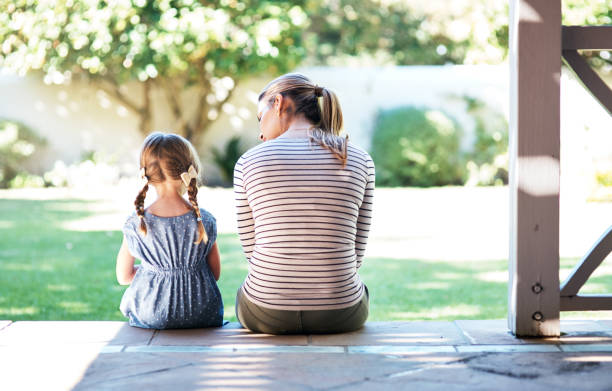
Homeschooling gives us the unique opportunity to bond with our children deeply, and SEL enhances that connection. When we teach our kids to communicate their needs and feelings, we also become better listeners and supporters. It builds a relationship rooted in trust and understanding.
3. Improves Social Skills—even Without a Classroom
Yes, homeschoolers do socialize (don’t get me started on that myth). But SEL takes it a step further. It teaches kids how to share, resolve conflicts, empathize, and collaborate—skills that go far beyond playdates and co-ops.
4. It Prepares Kids for Life, Not Just Tests
We’re not just raising students. We’re raising future adults. SEL equips our kids with the emotional intelligence they’ll need in the real world—whether it’s navigating friendships, the workplace, or life’s inevitable challenges.
5. It Supports Mental Health
More than ever, kids are facing anxiety, stress, and emotional pressure—even at a young age. SEL provides a safe space for them to talk, process, and gain tools that foster resilience and mental well-being. And in a homeschool setting, we can tailor that support to fit their needs perfectly.
How I Made SEL a Part of Our Homeschool Routine
I’ll be honest—it took me a little while to figure out how to add SEL without feeling like I was piling on “one more thing.” But I quickly realized it doesn’t have to be complicated.
Here are a few simple things that worked for us:
- Morning check-ins: I ask my kids how they’re feeling with prompts like “What color is your mood today?” or “What’s something you’re excited or nervous about?”
- SEL journaling: A few minutes of guided reflection or gratitude writing during our day helps them express themselves and process their emotions.
- Role-playing games: We act out real-life scenarios and practice problem-solving, empathy, and self-advocacy.
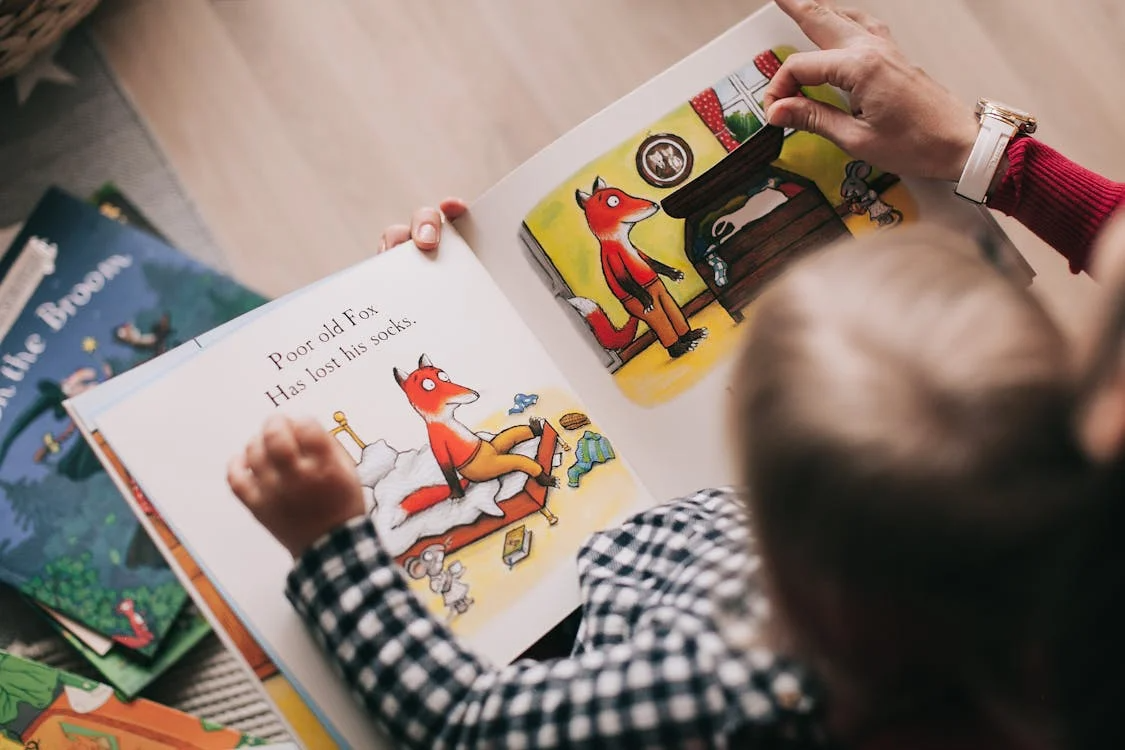
- Books & stories: I intentionally choose books that show characters navigating emotions and social situations.
But what really made the difference was creating a dedicated toolkit that my kids could come back to—something engaging, colorful, and age-appropriate.
My Favorite Tool: The Ultimate Social-Emotional Learning Bundle for Kids & Teens
Because I couldn’t find exactly what I needed all in one place, I created something I wish I had when I started:
👉 The Ultimate Social-Emotional Learning Bundle for Kids & Teens
This bundle is packed with 100+ pages of thoughtfully designed SEL activities and resources that you can use throughout the year with your children. It’s suitable for a range of ages—from early elementary all the way through the teen years.
Inside the bundle, you’ll find:
✅ Emotion check-ins
✅ Coping skills worksheets
✅ Positive self-talk practice
✅ Daily and weekly reflection prompts
✅ Growth mindset activities
✅ Affirmation cards
✅ Goal setting & journaling pages
…and so much more!
Whether you want to start each morning with a quick SEL activity, build it into your afternoon routine, or use it as a weekly family check-in tool, this bundle is flexible, printable, and designed for real homeschool life.
What You Can Expect from the Bundle
- A smoother homeschool rhythm with less emotional tension
- More meaningful conversations about feelings and friendships
- Tools that empower your kids to handle stress and build confidence
- A print-and-go resource you can actually stick with
I created this bundle to be practical, fun, and developmentally appropriate for a range of ages—from early elementary to teens.
Final Thoughts: Don’t Skip the Heart Work
Homeschooling gives us an incredible opportunity to nurture not just our children’s minds, but their hearts. When we prioritize SEL, we’re giving them tools they’ll use far beyond the homeschool years.
It’s not always easy, and it won’t always be perfect. But trust me—it’s worth it.
If you’ve been looking for a simple, effective way to add Social-Emotional Learning into your homeschool, I invite you to grab The Ultimate SEL Bundle. It’s everything I wish I had when I started—and it’s already helping so many families thrive emotionally and academically.
You’ve got this, and I’m cheering you on every step of the way. 💛
Looking for more homeschool tips, printables, and inspiration? Be sure to check out my other blog posts and follow me on Pinterest!
And if this post helped you, please share it with another homeschool parent who needs a little SEL support right now.
📚 Explore More Helpful Amazon Finds
👉 Best Educational Books for Kids (Amazon)
👉 Top Learning Toys for Kids (Amazon)
👉 Learning Toys for Kids Ages 12+ (Amazon)
👉 Homeschool Supplies for Every Grade (Amazon)
👉 Preschool Learning Tools & Activities (Amazon)
👉 Hands-On STEM Kits & Projects (Amazon)
👉 Arts & Crafts Supplies for Kids (Amazon)
👉 Kids’ Activity Books & Workbooks (Amazon)
👉 Mom Organization Tools & Planners (Amazon)
👉 Family Games & Fun Activities (Amazon)
👉 Self-Care + Motivation Favorites for Moms (Amazon)
Related Posts You Might Enjoy:
- The Ultimate Homeschool Starter Kit: Everything You Need in One Place
- New to Homeschooling? Here’s Everything You Need to Know to Get Started
- How to Use Morning Baskets for Social-Emotional Learning
- 15 Must-Have Homeschool Supplies That Make Life Easier
- The Best Social-Emotional Learning Books for Every Age Group
Thank you for reading my blog! Stay tuned for more tips, resources, and printable materials to help make your homeschooling experience enjoyable and effective. Check out my store for a variety of educational products and printables to assist you on your homeschooling journey.
~With love,
Cleverly Kindred ❤️